
By Stephen MacLeod – Reporter, Memphis Business Journal
May 12, 2025
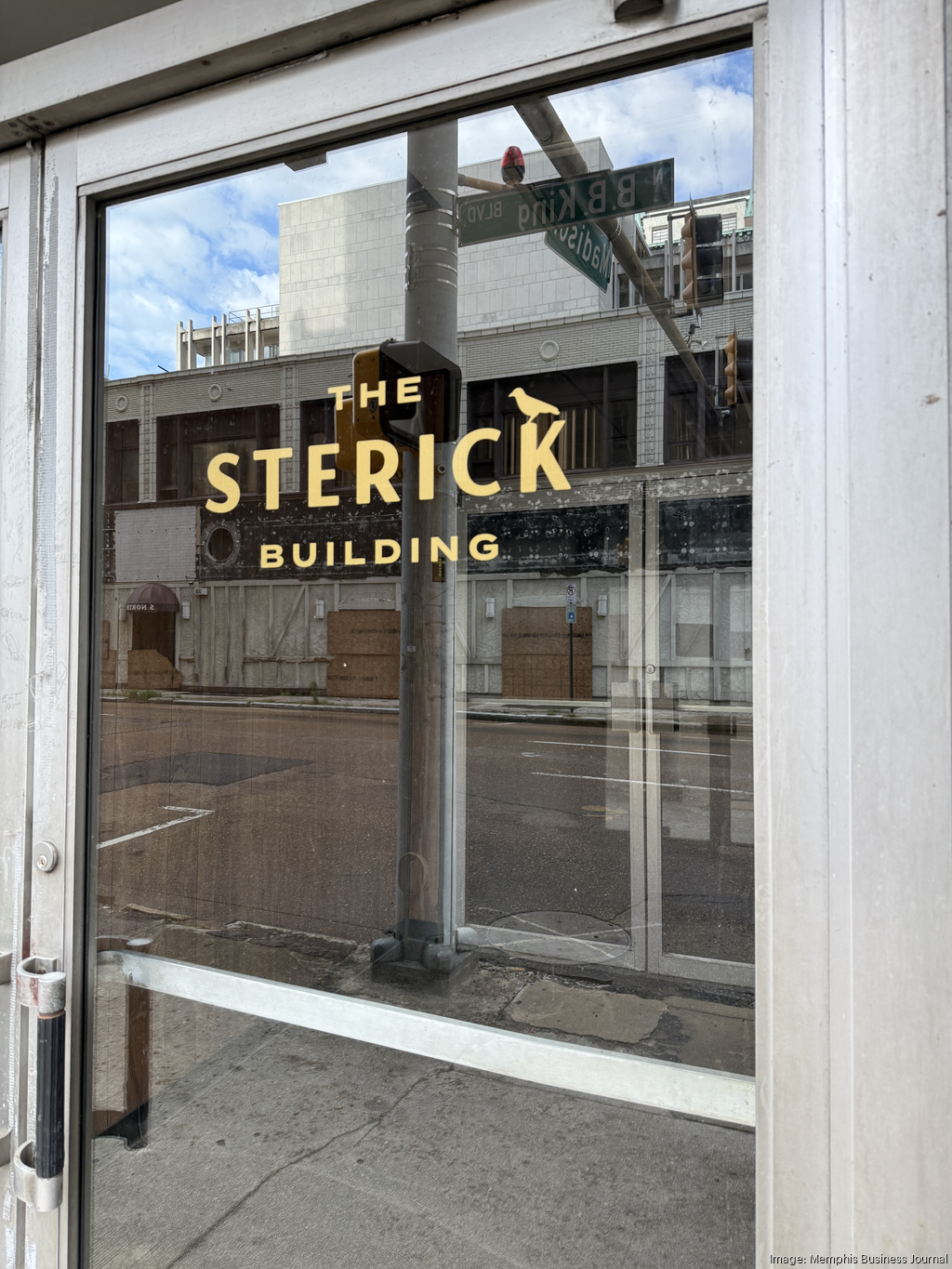
When Memphis Business Journal toured the Sterick Building at the time of its sale in 2023, the former First National Bank space was described as dark and almost post-apocalyptic.
During that visit, developer Stuart Harris stood in the near darkness and envisioned a different future — one where the space would be bright, active, and filled with life as a restaurant.
Recently, that vision briefly came to life.
The Etowah Hunt Club dinner series hosted its 10th quarterly event at the Sterick over the weekend of April 26, offering a glimpse of what the building could become as redevelopment moves forward.
The event transformed the long-vacant bank space into a one-night dining experience, serving about 150 guests. The team relied on temporary utilities, borrowing power and water from a neighboring building and using propane for cooking.
Guests filled the space and spilled into the adjacent alley, enjoying what was likely the first high-end meal served in the Sterick in decades. Nearby, a makeshift bar incorporated elements from the building’s past, while old windows were repurposed to serve food and drinks.
The dinner was led by chef Christian Hunter, a Michelin-recognized chef and James Beard Award finalist. The Etowah Collective is known for hosting dining experiences in unconventional spaces across Memphis, including garages, studios, and riverfront locations.
A building rooted in story
As redevelopment plans take shape, Harris is leaning into the Sterick’s history as a key part of its future identity.
A central symbol of that vision is the bowerbird — a species known for building elaborate nests from found objects. Harris has adopted the bird as a metaphor for the project, using it as a visual and conceptual anchor.
A life-sized sculpture outside the building reflects this idea, incorporating materials discovered within the Sterick itself. Inside the installation stands a mannequin adorned with jewelry connected to the building’s namesake family, tying together past and present.
Additional artistic elements throughout the space explore the building’s legacy and its future, blending history with contemporary interpretation.
Early progress inside the Sterick
Today, stepping inside the Sterick offers a markedly different experience than just a few years ago.
Basic infrastructure such as electricity and Wi-Fi has been restored, and extensive cleaning has revealed architectural details long hidden beneath layers of dust and neglect.
Natural light has also returned to parts of the building. Harris uncovered original skylight openings and reintroduced them, bringing brightness into spaces that had been dark for decades.
As restoration work continues, more original features are being rediscovered, including high ceilings, transom windows designed for airflow, and historic materials such as quarter-sawn oak.
The building has also proven structurally resilient, withstanding recent heavy rains without water intrusion — a positive sign for the redevelopment effort.
Looking ahead
While significant work remains, progress is steady. The project is advancing through predevelopment, moving closer to a full construction start.
Harris hopes the Sterick will once again become a defining feature of Memphis — not just as a restored building, but as a cultural and community landmark.
“This is about collecting stories,” Harris said. “For more than 100 years, this has been Memphis’ original skyscraper.”
With early activation events and ongoing restoration, the long-vacant “Queen of Memphis” is beginning to reemerge — setting the stage for its next chapter.